

21 Nov Is Pilates good for back pain?
Is Pilates Good for Back Pain? What the Science Says + How to Start Safely at Popflow
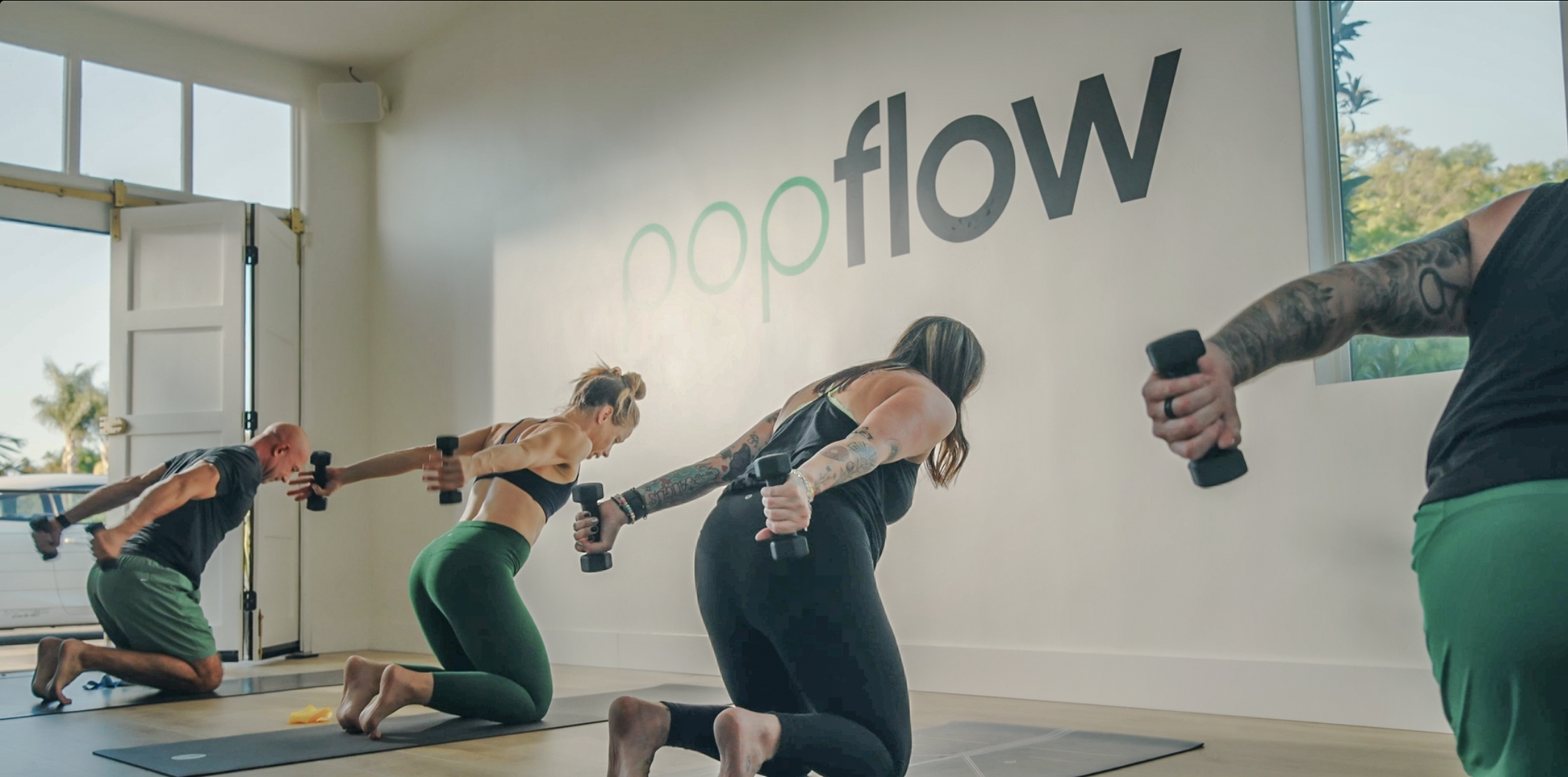
Quick Answer: Many people find that Pilates helps reduce tension, build spinal support, and improve daily movement—especially when practiced consistently and with proper form. While Pilates is not a medical treatment, research shows that strengthening the deep core muscles can support the spine and reduce movement-related discomfort for many individuals.
If you're looking for Pilates in Coronado or Pilates in San Diego with a focus on alignment, functional strength, and smart programming, this guide will help you understand how Pilates can support your back and how to start safely at Popflow.
Why Back Pain Happens in the First Place
Most modern back discomfort isn’t caused by a single dramatic moment. More often, it comes from:
- Sitting for long periods
- Weak deep core muscles
- Tight hips or hamstrings
- Poor posture habits
- Stress and tension around the spine
Research from the Journal of Orthopaedic & Sports Physical Therapy notes that weak stabilizing muscles and prolonged sitting are major contributors to low-back discomfort in active adults.
That’s where Pilates comes in: it focuses on the deep stabilizers that support the spine.
How Pilates Can Help Support a Healthy Back
Pilates strengthens the muscles that keep your spine aligned and supported. These include:
- Transverse abdominis (deep abdominal corset)
- Multifidus (small spinal stabilizers)
- Pelvic floor muscles
- Diaphragm (breath + stability coordination)
- Obliques (rotational and anti-rotational control)
According to studies published in the Journal of Bodywork & Movement Therapies, targeted core strengthening can improve functional stability and reduce perceived discomfort in individuals with movement-related back tension.
In other words: Pilates helps your body work the way it was designed to.
Pilates Benefits for Back Support
- Improved posture: Better alignment reduces strain on your spine.
- Stronger stabilizing muscles: Support your spine during daily activities.
- Better hip mobility: Relieves pressure from the lower back.
- Core breathing patterns: Breath helps guide movement and stability.
- Balanced movement: Pilates uncovers imbalances that may cause tightness or discomfort.
Member Feedback
Many Popflow members have told us that after adding Pilates—especially Pilates: Core—they felt:
- More supported through their low back
- Less tension from sitting all day
- More stability in daily movement
These experiences are self-reported and vary from person to person.
Which Popflow Pilates Class Is Best for Back Support?
Pilates: Core — Ideal for Back Support
- Focuses heavily on deep stabilizers
- Slow, controlled movement
- Great for beginners or anyone rebuilding strength
- Non-heated unless labeled “Heated” on the schedule
Pilates: HIIT — Great Once You’re Stable
- More dynamic and athletic
- Strength + conditioning + core activation
- Focuses on breathing and pacing
Most members start with Pilates: Core and add Pilates: HIIT when they feel ready for more intensity.
How to Start Pilates Safely If You Have Back Tension
- Start with slower classes: Pilates: Core is your best friend here.
- Focus on breath first: It stabilizes your spine from the inside.
- Use props: Blocks, pillows, or rolled towels can support alignment.
- Tell your instructor: They’ll offer supportive variations.
- Go at your own pace: Pilates is a long-game practice.
Most importantly: listen to your body. When something feels supportive, continue. If something feels off, pause or modify.
Who Should Practice Pilates for Back Support?
Pilates may be a great choice if you:
- Sit for long hours
- Have a history of weak core engagement
- Are looking for smart strength training
- Prefer low-impact conditioning
- Want to improve posture and alignment
If you’re experiencing sharp or persistent pain, always consult a healthcare provider before starting a new movement program.
FAQs: Pilates for Back Pain
Can Pilates help reduce back pain?
Many people report feeling less tension and better support through their spine after adding Pilates. Pilates strengthens the muscles that stabilize your back. Results vary by individual.
Is Pilates: Core better than Pilates: HIIT for back support?
Pilates: Core is usually the best place to begin because it focuses on slow, controlled activation of the stabilizing muscles. Pilates: HIIT is great once you feel stable and ready for more intensity.
Can beginners join these classes?
Absolutely. Both Pilates formats at Popflow are beginner-friendly, and instructors offer modifications for all experience levels.
How often should I take Pilates for back support?
Consistency is key. Many members practice 2–3 times per week and say they feel stronger and more stable with regular attendance.
What if I feel discomfort during class?
Always listen to your body. Slow down, modify, or skip movements that feel uncomfortable. Your instructor can offer variations to support you.
About Popflow Studios
Popflow Studios is a modern movement home with locations in Coronado and San Diego, offering a full lineup of Yoga, Pilates, Sculpt, and Stretch classes designed to help you feel stronger, more mobile, and more energized.
Our philosophy is simple: pair science-informed programming with high-energy coaching, music, and community to help you move better and feel amazing. Whether you’re exploring Pilates for back support or diving into Sculpt and Yoga, Popflow gives you a complete ecosystem for strong, balanced movement.
Ready to Take Your Next Class?
- View the full schedule: popflow.com/schedule
- Explore our studios: popflow.com
- New to Popflow? popflow.com/start-here
Your movement journey starts here. Let’s build strength that supports you—on and off the mat.